
By Dr. Michael A. Campbell, O.D. | Nov 6, 2025
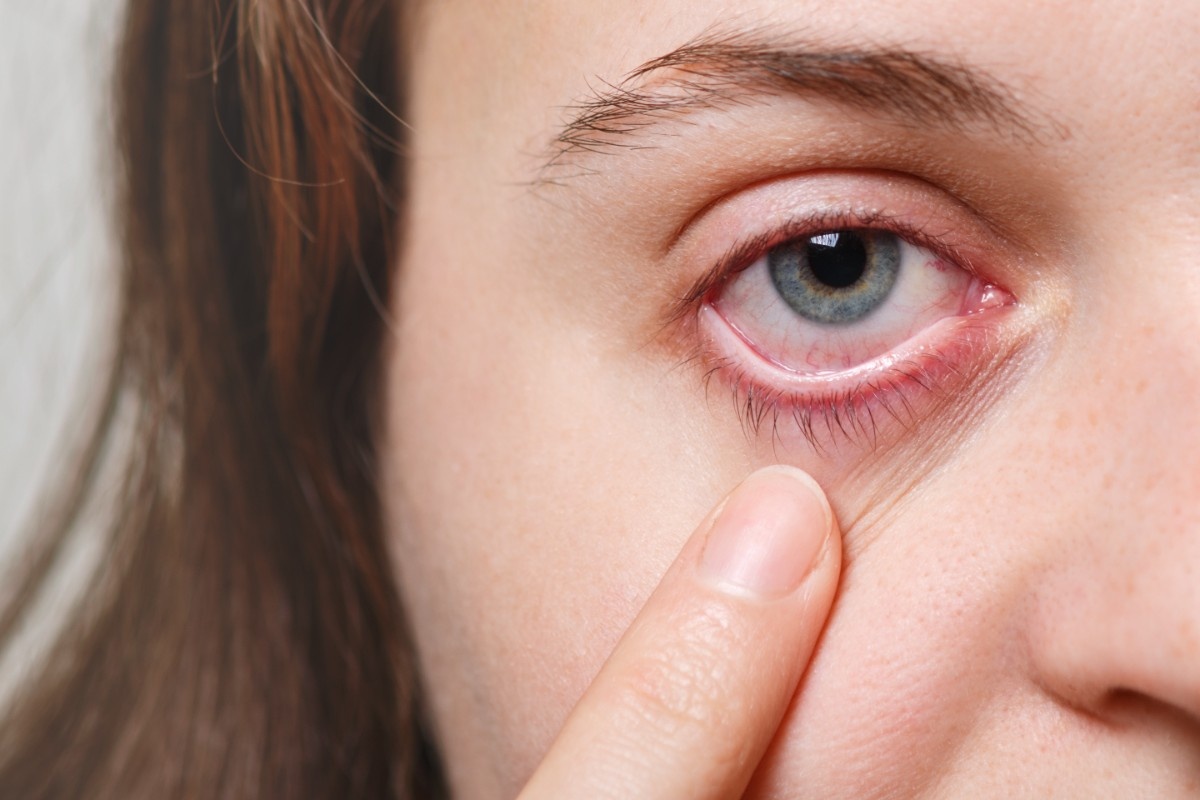
Your eyes feel like sand is scratching them. Light is unbearable. You find yourself tearing up uncontrollably after stepping into bright sunlight. These are classic signs of photokeratitis, essentially a “sunburn” on the surface of the eye.
In this article, you’ll learn about photokeratitis and what is the photokeratitis treatment process:
- What photokeratitis is and why it occurs
- The typical course of symptoms and photokeratitis treatment
- A detailed 72-hour care plan to relieve discomfort and speed recovery
- Warning signs that should prompt an eye exam
- Prevention strategies to protect your eyes in the future
Let’s begin with the fundamentals.
What Is Photokeratitis?
Photokeratitis (sometimes called UV keratitis) is an inflammation or injury to the corneal epithelium from excessive ultraviolet (UV) exposure.
- The cornea is the clear, frontmost layer of the eye.
- UV light causes damage to the tiny epithelial cells on the surface, triggering pain, tearing, and light sensitivity.
- Because the epithelium regenerates relatively quickly, mild to moderate photokeratitis typically resolves in 24 to 72 hours when managed properly.
- It is distinct from deeper eye injuries (e.g. retinal damage) but should not be ignored.
Also Read: Choosing the Best UV-Blocking Lenses
Causes & Risk Factors
Major Sources of UV Exposure
Photokeratitis is caused by direct or reflected UV rays striking the eyes. Common sources include:
- Prolonged exposure to sunlight, especially at high altitude
- Intense glare from snow, ice, sand, or water reflecting UV
- Welding arcs, UV lamps, tanning booths
- UV exposure in industrial or medical settings without proper eye protection
Risk Factors
Certain conditions or behaviors increase your susceptibility:
- No sunglasses or only low-quality sunglasses
- Use of contact lenses during exposure
- Prolonged outdoor activity without breaks
- Lack of side shields or wraparound protection
- Bright reflective environments (snow, beaches, deserts)
Tip: UV intensity increases at higher altitude, closer to the ground reflection, and with thinner ozone overhead.
Also Read: Ultimate Guide to UV Protection for Eyes
Symptoms & Timeline
Photokeratitis doesn’t always present immediately. The onset is often delayed by 30 minutes to a few hours after exposure.
Common Symptoms
- Sharp pain, burning, foreign body or gritty sensation
- Tearing / watering
- Sensitivity to light (photophobia)
- Blurry or hazy vision
- Redness of the eyes
- Mild eyelid swelling
Course / Timeline
| Time after exposure | What you might feel/see |
| 0–30 min | Possibly no symptom or mild discomfort |
| 30 min – 6 h | Onset of pain, photophobia, tearing starts |
| 6 – 24 h | Peak symptoms; pain, sensitivity, blurring |
| 24 – 72 h | Gradual improvement, epithelium healing |
| After 72 h | Most cases resolve; residual mild discomfort may linger |
If symptoms worsen after 24–48 hours or don’t improve, professional evaluation is warranted.
How Long Does Recovery Take?
Most people experience relief within 1 to 3 days (24–72 hours), assuming no complicating factors and proper self-care.
Why This Time Frame?
The corneal epithelium regenerates rapidly. Once the offending UV exposure is removed and supportive measures are in place, healing typically follows this window.
However, in more severe cases (extensive epithelial damage, secondary infection, or comorbid eye disease), healing may take longer, and follow-up care or interventions may be needed.
Immediate Photokeratitis Treatment: 72-Hour Plan
Below is the best treatment for photokeratitis after sun exposure which makes the healing process faster.
First 6 Hours (Critical Window)
- Remove contact lenses immediately if worn.
- Move into a shaded or dim environment; rest your eyes.
- Apply cold compresses (ice packs wrapped in cloth) in cycles of ~10 minutes on / 5 minutes off.
- Use preservative-free artificial tears every 1–2 hours (or as tolerated).
- Take an oral NSAID or analgesic (e.g. ibuprofen) if not contraindicated.
- Avoid rubbing your eyes, exposure to bright screens, or further UV intensity.
6 to 24 Hours
- Continue preservative-free tears at regular intervals.
- If photophobia is severe even indoors, keep sunglasses on.
- Maintain cold compresses as needed for relief.
- Minimize exposure to bright indoor lighting.
- Clean eyelids gently if crusting develops (using a moistened sterile pad).
24 to 72 Hours (Recovery Phase)
- Expect gradual improvement; pain and sensitivity should ease day by day.
- Continue tears 4–6 times daily (or as needed).
- Reintroduce regular ambient lighting gradually, avoiding sudden brightness.
- Avoid contact lens use until fully healed and cleared by an eye doctor.
Do / Don’t in Photokeratitis Treatment
| ✅ Do | ❌ Don’t |
| Use preservative-free lubricants | Use topical anesthetic drops at home |
| Use cold compresses for comfort | Patch your eye long-term |
| Wear UV-blocking sunglasses | Rub your eyes or expose them to strong light |
| Rest your eyes and avoid strain | Rush back into contact lens use too soon |
Note: Topical anesthetic drops (numbing drops) are sometimes used under supervision in clinical settings but are not recommended for home, unsupervised use, as they can delay healing or worsen the photokeratitis treatment effectiveness.
Also Read: Contacts for Dry Eyes
When to See an Eye Doctor (Red Flags)
Although most cases resolve with self-care, certain signs should prompt an in-office evaluation:
- Persistent or worsening pain beyond 24 to 48 hours
- Vision decline (blurring, spots) that doesn’t improve
- Pus or thick discharge, or eyelid swelling
- One eye only (unilateral) when expectations might be bilateral
- Recurrent episodes after minimal exposure
- Underlying eye disease, immunocompromise, or corneal disease history
Not sure if it’s photokeratitis? If you’re confused or unsure about your symptoms, please call Optical Solutions — Dr. Michael Campbell & Associates as soon as possible for guidance and proper diagnosis.
How the Photokeratitis Treatment is performed by an eye doctor:
- Slit lamp exam
- Fluorescein stain to detect epithelial defects
- Evaluate the need for prophylactic antibiotics, therapeutic bandage lens, or topical medications
Prevention & Long-Term Care
Prevention is your best protection. Use these strategies to reduce the risk of future photokeratitis:
- Select sunglasses with 100% UV (UVA + UVB) protection
- Use wraparound frames or side shields to block peripheral UV
- Wear wide-brimmed hats or visors outdoors
- Be extra cautious in high-reflection environments (snow, water, sand)
- In occupational settings (welding, UV lamps), use proper shade filters and safety eyewear
- Replace UV coatings or glasses once they degrade (check annually)
- After recovery, allow your eyes to rest before resuming contact lens wear
Local & Clinic Tie-In
If you’re located in or near Bluffton / Hilton Head Island and experiencing pain, photophobia, or worsening symptoms, Dr. Michael Campbell’s Optical Solutions clinic is available for same-day or next-available evaluations.
- We provide emergency eye care for corneal irritation and surface injuries
- Diagnostic tools (slit lamp, fluorescein dye) help detect epithelial defects
- We can guide safe resumption of contact lenses, manage complications, and monitor healing
Contact us or book an appointment if your symptoms don’t improve, or if you experience any red-flag signs.
FAQ (Frequently Asked Questions)
- What’s the best photokeratitis treatment after sun exposure?
Start by removing contact lenses, resting in a dim environment, applying cold compresses, and instilling preservative-free artificial tears immediately. - Can I use numbing drops at home?
No. Home use of topical anesthetic drops is discouraged they mask pain (a warning signal) and may delay healing or cause complications. - How long until my vision returns to normal?
Most people see significant improvement within 24 to 72 hours with the photokeratitis treatment, though mild discomfort may linger briefly. - Could photokeratitis cause permanent damage?
In typical cases with pepper photokeratitis treatment, permanent damage is rare. However, repeated UV injury or delayed treatment may lead to complications. - Can it recur with a specialist photokeratitis treatment?
Yes, without adequate UV protection, repeated exposures may trigger recurrence.
Wrapping up
Photokeratitis is painful and alarming, but in most cases, the cornea can heal itself quickly with the best photokeratitis treatment. Use the 72-hour relief plan above, monitor your symptoms, and don’t hesitate to seek professional care if things worsen.
If you’re in the Bluffton / Hilton Head area and need expert eye evaluation or treatment, contact us at Optical Solutions/eye doctor Campbell. We’re here to help your eyes recover safely and guide you back to clarity.
